|
Program Methodology
The programme
duration will be 3 years, (36 months). It will also
include an Annual Workplan which provides a detailed
breakdown of work, assignment of tasks and
responsibilities, budgetary outlays, and deadlines
for completion and submission of research outputs
under the 3 research themes described below. These
outputs will go through 2 peer review cycles before
being presented at Policy Engagement Workshops
conducted by focal institutions in Pakistan, India,
Sri Lanka, Bangladesh, and Nepal. The peer review
will also invite inputs from the independent
Technical Advisory Group (details provided in the
following section). GINI will also develop a project
web-site featuring:
-
Internet database
where research outcomes will be posted at
various stages of completion
-
Online forum for
real-time communication amongst research
partners
-
‘Progress’ page
which will track and share details of programme
activities to ensure all partners are kept
abreast of latest developments, ensuring that
momentum of work and partner cohesion are
maintained throughout the programme cycle
The research
themes identified constitute the research agenda for
Year 1, 2, and 3. At the end of each Year, a new
Annual Workplan will be developed by GINI to achieve
the programme objectives throughout the year,
through consultations with research partners and the
approval of the Steering Committee.
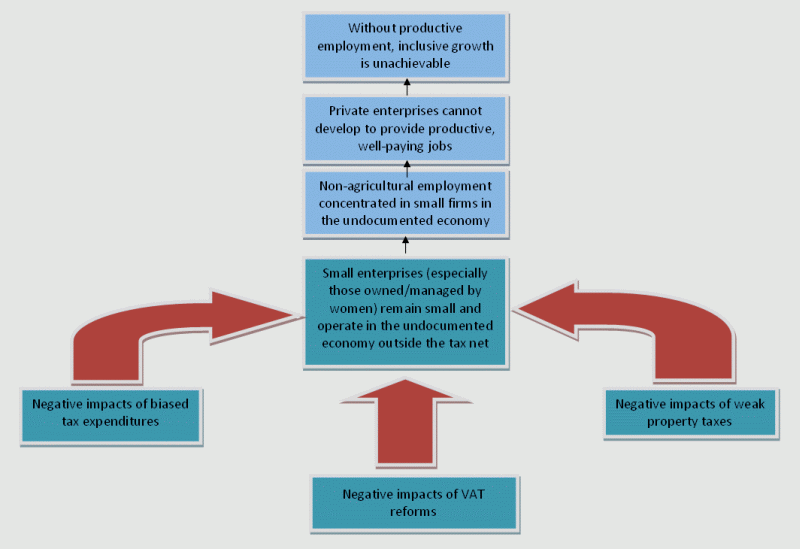
The
diagram depicts the conceptual framework for the
research, and provides the basis for the following
research themes and questions that the project will
explore:
Research Themes
Theme 1: The
Impact of Tax Exemptions and Concessions on
Enterprise Development
 What is the extent to which small enterprises face
biases in tax exemptions and incentives? What is the extent to which small enterprises face
biases in tax exemptions and incentives?
What is the extent to which these biases
disproportionately impact small enterprises
operating in the undocumented economy and/or those
owned/managed by women?
What are the impacts of tax exemptions and
concessions on entrepreneurs and SMEs in terms of
enterprise performance and productivity, (including
any disproportionate impacts on women informal
entrepreneurs)?
What are the impacts of biased tax regimes on
emigration of entrepreneurs and skilled labor, the
extent to which this contributes to ‘brain drain’ in
South Asian countries
Theme 2: The
Impact of the Value-Added-Tax (VAT) on Enterprise
Development
What are the progressivity impacts of VAT burden
on small enterprises and workers (particularly those
operating in the undocumented economy), in terms of
labor market outcomes, entrepreneurship and
productivity at the bottom-income spectrum and in
low value-added sectors?
How are entrepreneurs (particularly those
owning/managing small enterprises in the
undocumented economy, especially women
entrepreneurs) treated by VAT administration
systems, against indicators of compliance costs and
taxpayer friendliness?
Theme 3: The
Impact of Property Tax on Enterprise Development
What are the weaknesses in property tax systems
that create and/or sustain informal land markets at
the local levels, (including weaknesses in policy,
administration, capacity and resources)?
What is the nature and magnitude of impacts of
land informality on entrepreneurs (owning/manaing
small enterprises) and workers (employed by small
enterprises) operating in the undocumented economy
(especially women)?
The regional scope of the project will allow the
research to:
-
Highlight similarities and differences in the
institutions, regulatory and policy frameworks
-
Identify and explain regional patterns and trends
over time
-
Evolve best practices for reform design,
sequencing and implementation under adverse
conditions
|